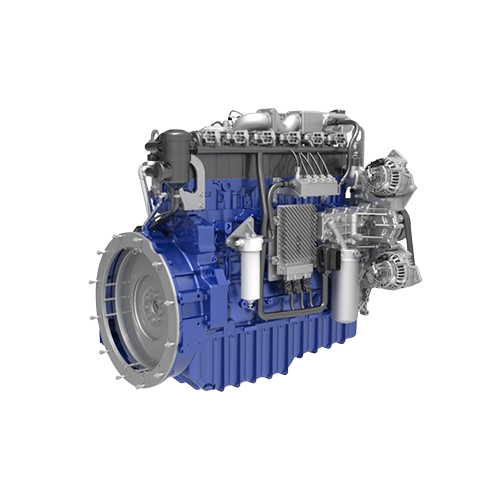



Weichai Bus Engines: Diesel and CNG Bus Engine Range
High-Performance Bus Engines for School, Passenger & Public Buses
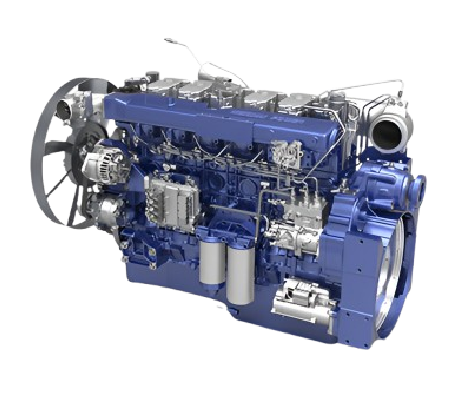
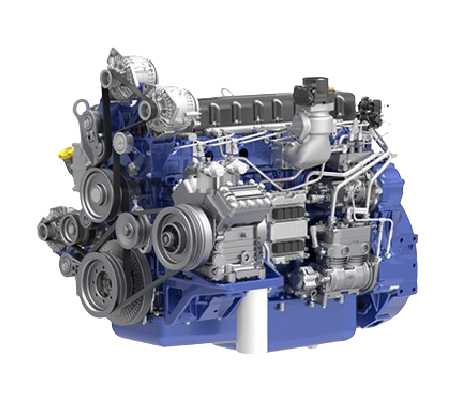
Weichai bus engines, with displacement ranging from 2.3L to 12L and bus engine power ranging from 117.92HP to 452.92HP, meet the latest emission standards for buses longer than 5m, such as school buses, passenger buses, private buses, tour buses, public buses, hybrid electric buses, and special buses. For those looking for alternative fuels, Weichai also offers a CNG bus engine that runs on Compressed Natural Gas (CNG), along with options for Liquefied Natural Gas (LNG).
The common rail platform series of Weichai diesel bus engines has been upgraded with after-treatment units such as cooled EGR, DOC+DPF, and SCR. This helps Weichai engines meet the latest India and worldwide emission norms while keeping performance, durability, and engine life high.
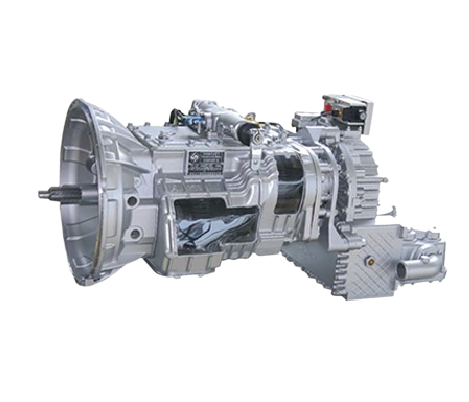
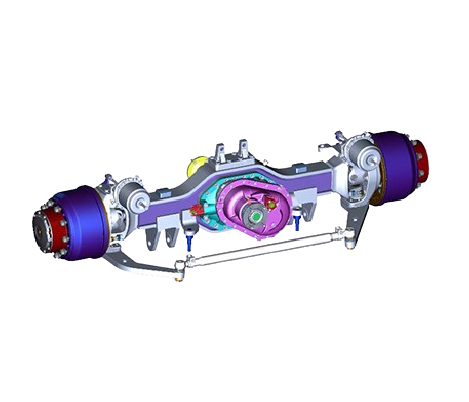
In India, Weichai provides the engine of bus fleets running school, city and tour routes, with axles and gearboxes matched to each Weichai engine as part of its wider on-road range.
What engines do buses have?
Most buses have a diesel engine or a natural gas engine, usually mounted at the rear or under the floor and paired with a gearbox and drive axle. Electric drivetrains are used in zero-emission fleets. Weichai covers the diesel and gas routes with eight diesel models (WP2.3N, WP3N, WP4.1N, WP4.6N, WP7, WP9H, WP10H and WP12) and the WP7NG gas engine. Fleet owners running both buses and goods vehicles can compare these with Weichai truck engines as well.
How big is a bus engine?
Engine size is measured by displacement, and Weichai bus engines range from 2.3 litres to 12 litres. Engines at the lower end, such as the WP2.3N and WP3N, suit smaller buses, while the WP9H, WP10H and WP12 suit full-size city, intercity and tour buses. Physical dimensions and weight depend on the model and the after-treatment fitted, so check the specification sheet on each engine’s product page before planning a chassis layout.
Bus engine power and torque
Weichai bus engine power runs from 117.92HP to 452.92HP across the range. The right rating depends on bus length, seating capacity, route gradient and stop frequency. City buses that stop often need strong low-speed torque, while highway tour buses need sustained power at cruising speed. Match the rated power and peak torque to the gross vehicle weight of the bus.
Diesel bus engine vs CNG bus engine
A diesel bus engine is the usual choice for long routes because diesel is available almost everywhere and the engine delivers strong torque at low rpm. A CNG bus engine suits city fleets that return to a depot with a gas station, since natural gas burns cleaner than diesel and can lower running cost per kilometre.
| Fuel | Diesel | CNG |
|---|---|---|
| Best for | Intercity, highway and mixed routes | Urban routes with depot refuelling |
| Refuelling | Widely available | Needs CNG stations |
| Weichai models | WP2.3N to WP12 | WP7NG |
How to choose the best bus engine
The best bus engine is the one that fits your bus length, route profile, fuel supply and emission norms. Start with five checks: bus length and seating capacity, route type and gradient, fuel availability, applicable emission norm, and service support near your depot. Share your route and payload with the Weichai team through the enquiry form below and they will suggest a matching diesel or CNG model. If your requirement is for machinery rather than buses, see Weichai off-road engines.
FAQs
1. Which engine does Weichai make for buses?
Weichai makes eight diesel engines for buses, from the WP2.3N to the
2. How much power does a Weichai bus engine make?
Output ranges from 117.92HP to 452.92HP depending on the model.
3. Does Weichai make a CNG bus engine?
Yes. The WP7NG is a gas engine for buses, and Weichai lists CNG and LNG options for operators who want an alternative fuel.
4. Which is better for buses, diesel or CNG?
Neither is better in every case. Diesel suits long routes and wide refuelling access, while CNG suits city fleets with depot refuelling.